
Becoming a PT
How to Get Your First Personal Training Clients
The best way to get your first personal training clients is to start with the people who already know you and the gym members who already see you, ask them a direct question, and offer a short, fairly priced first block of sessions. Everything after that grows from those first few clients.


Where to begin
Start with the people already in front of you
Most new trainers look for clients in the wrong place first. They post on social media, print flyers or wait for the gym to send people over, while the people most likely to say yes are already in front of them: friends, family, colleagues, teammates and the members who see you around the gym every week.
Start with a list, and make it before you qualify. Write down everyone you know who trains, wants to start, or has mentioned a goal, such as running a race, getting stronger after an injury or feeling less nervous in a gym. The list does not need to be long. It needs to be specific, because a name and a goal give you a real conversation to have, and a general announcement does not.
Make sure you can say yes when someone asks. You need both qualifications to work as a trainer: Level 2 for gym-floor roles and Level 3 to train clients, as our guide to Level 2 vs Level 3 personal training explains. You also need PT insurance and a first aid certificate that includes CPR before you take your first booking.
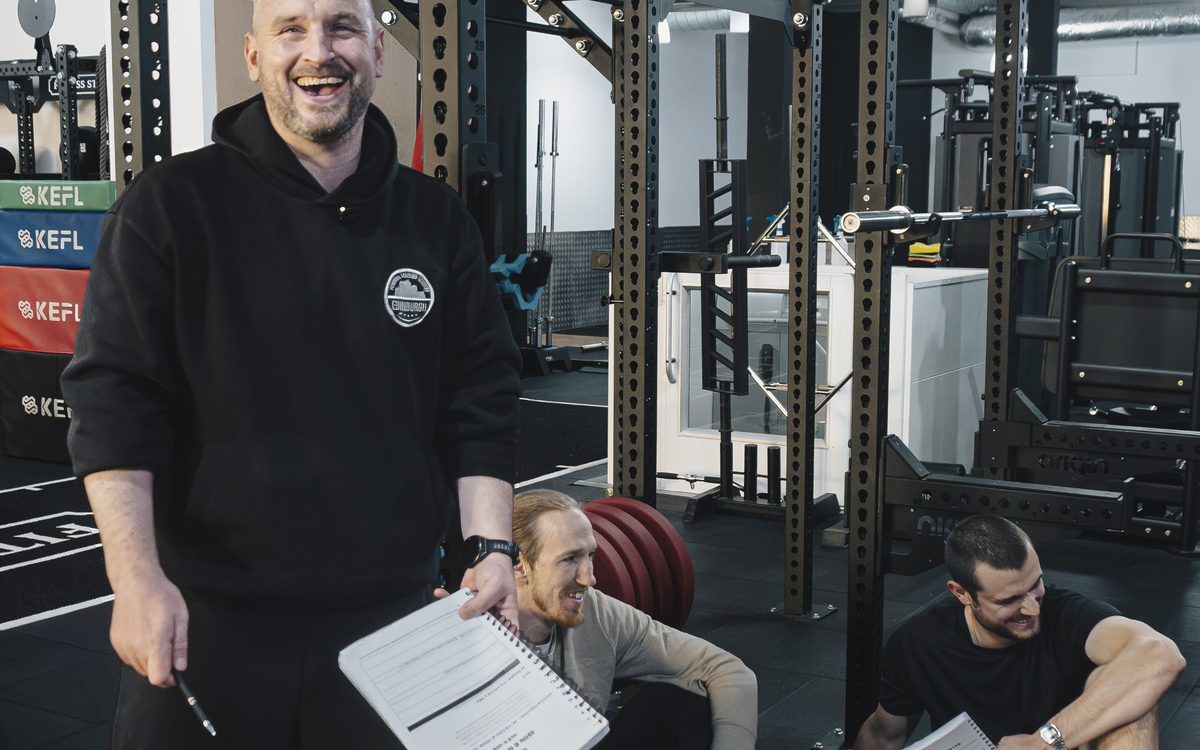
If you study with us, the shadowing at Kilo Gym that comes with our personal trainer course in Edinburgh is a good place to start. Learn the regulars' names, notice what they struggle with, and let them see you being useful. Trust comes before any sale.
The ask
How to ask an existing gym member to train with you
Asking is the part new trainers avoid, and it is the part that matters most. Nobody can hire you if they do not know you are available. The aim is not a pitch. It is a short, honest question at the right moment.
Check the rules first. Many gyms have policies on approaching members, particularly if you rent space or are employed there, so ask your manager what is allowed before you start conversations.
- Wait for an opening. A member who mentions a goal, an injury or a plan they cannot stick to has given you one. Someone in the middle of a set has not.
- Ask a question, not a pitch. "You mentioned you want to build up to a 10k. Would a simple plan help?" is easy to answer honestly.
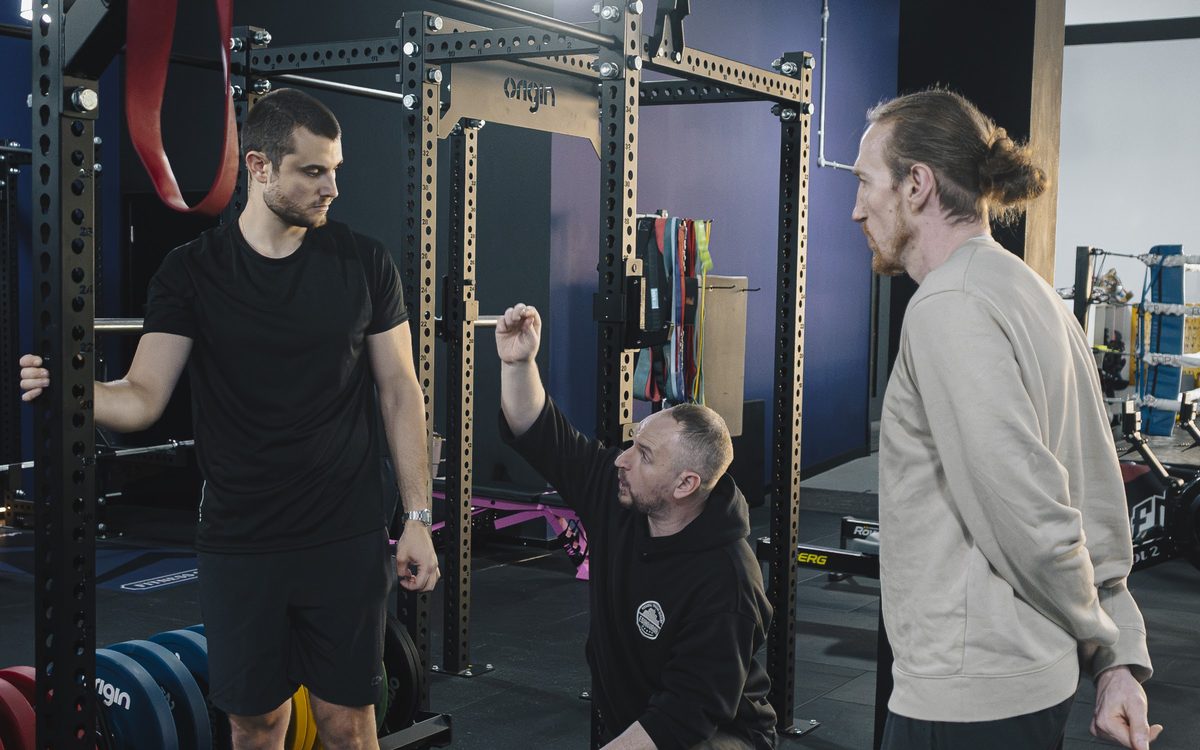
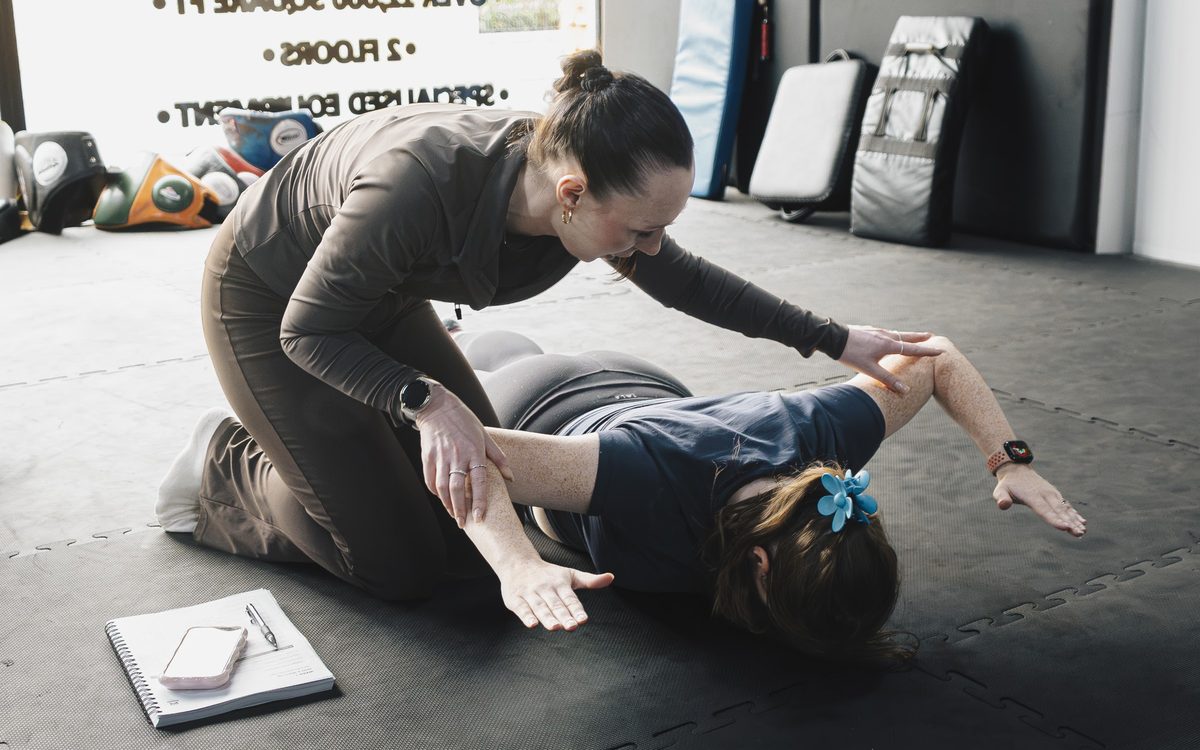
- Offer one small next step. A short consultation and movement screening with no obligation is far easier to agree to than a block of sessions.
- Accept a no. Say thanks and mean it. People who decline today often come back when their situation changes, and they remember how you handled it.
Pricing
What to charge for your first block of sessions
Price a block of sessions, not single sessions. A block gives a client time to see results, gives you time to coach properly and gives you a clear point to review and renew. A block of six sessions, for example, is easy to explain and easy to plan around, but choose a length that suits the client's goal.
Work backwards from your costs. List what each session really costs you: floor rent or the gym's commission, insurance, travel, and the time you spend planning and following up. Then look at what trainers with a similar qualification charge in your area, on their websites and gym price lists, rather than guessing.
Do not open with a deep discount. A very low price sets your rate in the client's mind and attracts people who treat sessions as optional. A small introductory offer on a first block, with a clear end date, is fine. After that, charge your normal rate.
What you can charge and keep depends heavily on whether you are employed or self-employed. Our guide to personal trainer salary in Scotland explains the difference, so you are not relying on a single figure.
Finding clients
The three places new clients actually come from
Where your clients come from depends on your route, but three sources cover most new trainers' first year. We are not giving you percentages, because anyone who quotes them for a brand new trainer is guessing.
The gym where you work or rent space
An employed trainer gets a built-in stream of members who could become clients, though you keep a smaller share of what each session earns. A trainer renting floor space keeps more but has to earn the visibility. Either way, be on the floor, be useful and be consistent.
People who already train with you
After a good session, or when a client reaches a goal, ask whether they know someone with a similar goal. One specific sentence, asked once, is enough. A referral arrives already trusting you.
Your local community and online
Running clubs, sports teams, workplaces, community groups and local social media are all places where people with goals gather. Share plain, useful training advice for your area, and do not promise results you cannot control.
Keeping clients
What makes a client stay past month one
Winning a client is only half the job. Keeping them past the first month is what turns a handful of bookings into a business, and three habits protect that first month.
- One clear goal, written down. Agree it in the first session and review it at the end of the block, so the client can see what the sessions were for.
- Visible early progress. A weight lifted, a movement that now feels easier or a routine that has stuck. Point it out when it happens.
- Contact between sessions. A short message after a session, or a check-in before a hard week, costs you a minute and tells the client you are paying attention.
Good coaching keeps people too. On our course we teach a simple structure, demonstrate, explain, coach and affirm, so clients always know what to do and when they have done it well.
Common mistakes
Five mistakes that cost you the second session
- Skipping the consultation and screening. Jumping straight into a workout means programming blind. A short conversation about goals, history and movement makes the session fit the person.
- Doing too much in session one. A first session that leaves someone barely able to walk the next day is a poor advert. Leave them feeling capable.
- Leaving the second session unbooked. Agree the next date before the first session ends. Good intentions fade quickly once the client is back in their day.
- Talking more than coaching. Clients came to move, not to listen to a lecture. Keep instructions short, demonstrate, then let them practise.
- Going quiet afterwards. No follow-up tells a client you were only there for the booking. A message the same day takes seconds.
The plan
A realistic first 90 days
This is a plan, not a promise. How many clients you have by day 90 depends on you, your gym and your area, and we will not put a number on it.
Days 1 to 14: sort the basics
Arrange insurance and your first aid certificate with CPR. If you will work with children or protected adults in Scotland, check whether PVG membership applies. Agree terms with your gym, decide your first-block price and finish your list of names.
Days 15 to 45: start the conversations
Contact the people on your list, offer short consultations and speak to members who have mentioned goals, within your gym's rules. Aim to train a handful of clients and use every session to learn what works for you.
Days 46 to 90: keep and grow
Review each client's goal at the end of their first block, ask for referrals after good sessions and keep what worked. If you are leaving another job to do this, keep your income going while you build. Our guide to switching career to personal training in Scotland sets out a staged plan.
Frequently asked questions
Do I need to be qualified before I get personal training clients?
Yes. You need Level 2 and Level 3 qualifications, PT insurance and a first aid certificate that includes CPR before you take paying clients. You can build your list of people to ask and shadow trainers while you study.
How long does it take to get your first personal training client?
It varies. Employed gym roles can come within a few weeks of qualifying, while building a full client list as a self-employed trainer usually takes a few months. Starting your list before you qualify shortens the wait.
Should I offer free sessions to get clients?
Offer a free consultation, not free training. A short conversation and movement screening shows how you work and costs you little. Free sessions teach people that your time has no value, so price your first block fairly.
Is it easier to get clients as an employed or self-employed trainer?
Employed trainers get a built-in stream of gym members as potential clients, but keep a smaller share of each session. Self-employed trainers keep more of what they charge but must find and keep every client themselves.
Related reading
Keep exploring
Checklist
What Qualifications Do You Need to Be a Personal Trainer?
Level 2, Level 3, insurance, first aid and PVG.
Career guide
How to Become a Personal Trainer in Edinburgh
The complete path: qualifications, timeline, cost and what a good course should include.
Course guide
A Week on the Edinburgh PT Academy Course
What a typical week of theory, practice and coaching looks like.